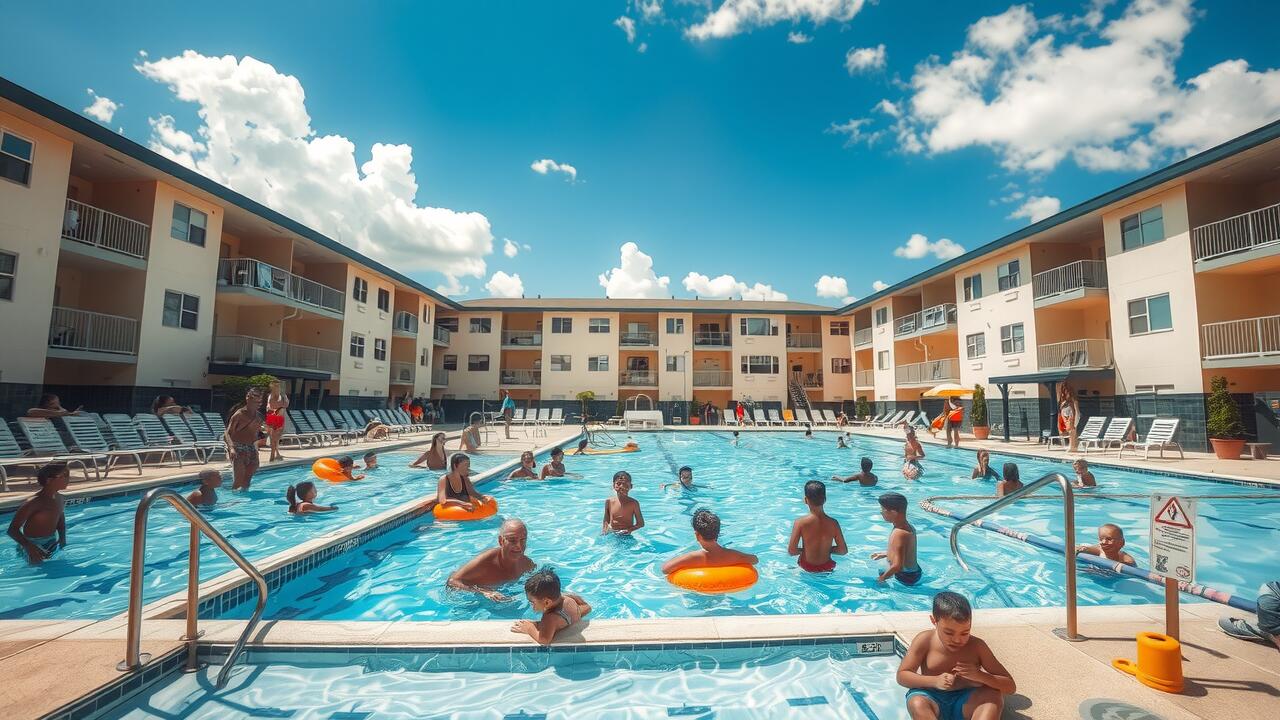
Common Safety Violations In Apartment Complex Pools That Lead To Drowning Accidents | Overview of Safety Violations in Apartment Complex Pools
Apartment complex pools can be inviting spaces, but neglecting safety can lead to dire consequences, including drownings and near-drowning incidents. Common Safety Violations in Apartment Complex Pools That Lead to Drowning Accidents often stem from inadequate supervision, lack of proper signage, and poor maintenance. These hazards create a precarious environment that can result in catastrophic injuries or even fatalities. Without proper precautions, residents and guests may encounter unsafe conditions, transforming what should be a recreational area into a site of health hazards. Failing to address these common safety violations not only puts individuals at risk but can also lead to emergency room visits and long-term trauma, emphasizing the critical need for vigilance in maintaining safe water environments.
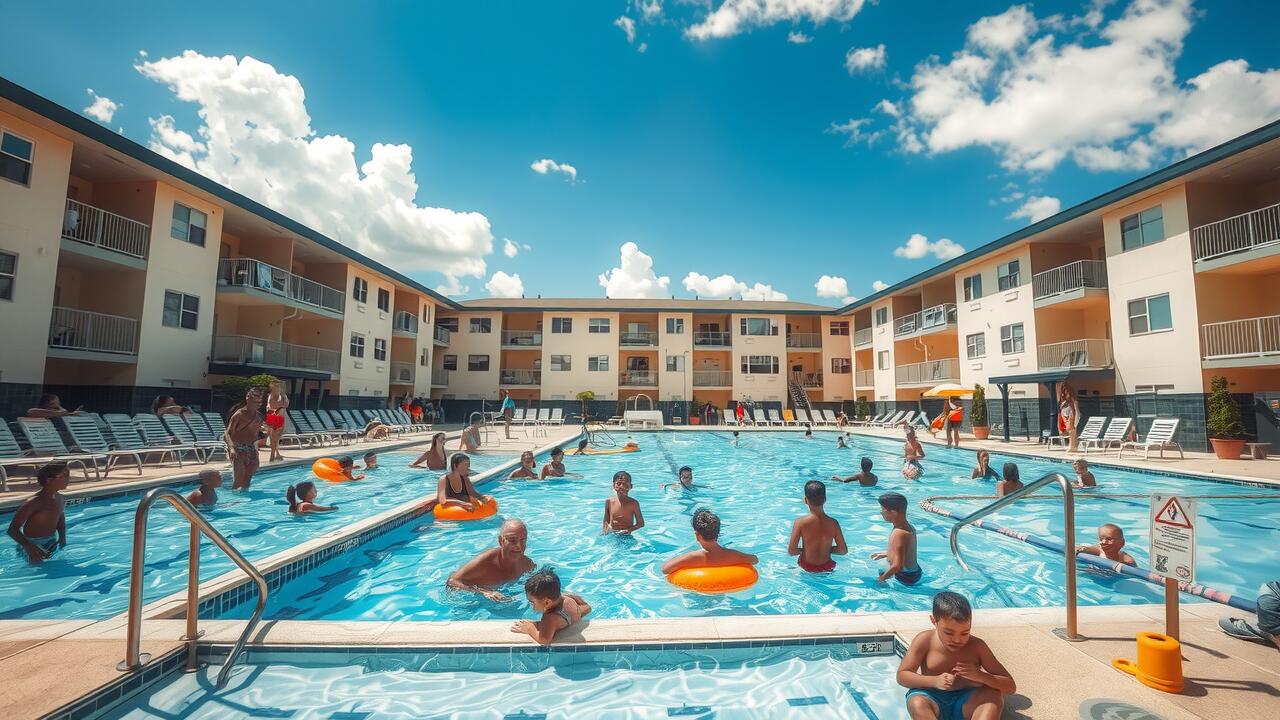
Common Safety Violations in Apartment Complex Pools That Lead to Drowning Accidents | Understanding Drowning Risks in Apartment Pools
Drowning remains a significant risk in apartment complex pools, highlighting the importance of identifying Common Safety Violations in Apartment Complex Pools That Lead to Drowning Accidents. Public swimming pools can pose serious health hazards if proper safety measures are not adhered to. Inadequate supervision, which is a prevalent issue, increases the likelihood of accidents where individuals, especially children, can easily drown. Lack of vigilance and proper safety inspections can contribute to a false sense of security among residents, leading to dangerous situations.
Risks associated with swimming pools in apartment complexes often arise from negligence in maintaining safety regulations. Common Safety Violations in Apartment Complex Pools That Lead to Drowning Accidents include insufficient signage warning about safety protocols. Such oversights in public pools can be attributed to careless management practices, which put swimmers at risk of drowning. The tragic reality is that simple lapses in safety procedures can result in devastating outcomes, where individuals may find themselves in distressing situations that lead to drowning.
Statistics on Pool Accidents in Apartment Complexes
Statistics reveal a concerning trend regarding drowning incidents in apartment complex pools. Many accidents stem from Common Safety Violations in Apartment Complex Pools That Lead to Drowning Accidents, such as inadequate supervision and lack of safety equipment. Contaminated water can contribute to injuries, making it essential for management to adhere to the Virginia Graeme Baker Pool and Spa Safety Act. The absence of trained lifeguards increases the risk, as swimmers may not have access to immediate assistance during emergencies, leading to potential personal injury claims rooted in gross negligence.
Understanding injury epidemiology helps shed light on the prevalence of pool-related injuries and fatalities. Data suggests that the absence of swimming lessons increases risk factors among various demographics, particularly children. The role of lifeguards is pivotal, as their presence significantly reduces the likelihood of drowning incidents. Common Safety Violations in Apartment Complex Pools That Lead to Drowning Accidents can often be traced back to insufficient training and protocols that overlook effective safety measures, highlighting the need for ongoing education and strict adherence to regulations.
Types of Common Safety Violations
Common safety violations in apartment complex pools that lead to drowning accidents can have severe consequences, including wrongful death lawsuits and personal injury claims. Inadequate supervision and a lack of lifeguard presence can leave residents vulnerable during critical swimming activities, while insufficient signage and warnings may fail to alert swimmers to potential dangers. Negligence in maintaining pool equipment can also contribute to hazardous situations, leading to injuries or fatalities. These violations create a strong basis for premises liability cases, where victims may require emergency care or find themselves admitted to the emergency department due to pool-related incidents. By understanding and addressing these common safety violations, apartment complexes can significantly reduce the risk of tragic outcomes and associated damages.
Inadequate Supervision and Lifeguard Presence
Lack of adequate supervision and lifeguard presence constitutes one of the most critical common safety violations in apartment complex pools that lead to drowning accidents. Without trained personnel monitoring swimmers, the risk of personal injury escalates significantly. Children and inexperienced swimmers may engage in risky behaviors like diving into shallow water, heightening the potential for serious injuries or even drowning. Emergency responders face greater challenges in near-drowning accidents when lifeguards are absent, as immediate assistance can be crucial in saving lives.
The frequency of pool-related accidents can be dramatically reduced with proper supervision. Property managers should emphasize the importance of having qualified lifeguards on duty, especially during peak swimming hours. An unmonitored pool environment leads to higher instances of injuries among swimmers, contributing to a rise in apartment pool accidents. Effective monitoring not only ensures the safety of swimmers but also provides a proactive approach to mitigating the effects of common safety violations in apartment complex pools that lead to drowning accidents.
Lack of Proper Signage and Warnings
Proper signage and warnings play a crucial role in preventing common safety violations in apartment complex pools that lead to drowning accidents. Clear indications about pool depth, swimming rules, and emergency procedures are essential. Without adequate signage, residents may not fully understand the risks associated with the pool area, increasing the likelihood of both fatal and nonfatal drowning accidents. Omitting these warnings can result in devastating pool-related accidents, including experienced drowning incidents that could have been easily avoided.
The absence of prominent safety signage can contribute significantly to near-drowning incidents and drowning injuries. Residents may not recognize the importance of supervision, leading to a higher incidence of pool accidents. A qualified drowning accident often occurs in environments where warnings about potential hazards are lacking. Compliance with safety regulations pertaining to signage is necessary to mitigate the risk of pool drownings and ensure residents are aware of the dangers associated with swimming in the complex's pool facilities.
Pool Design and Maintenance Issues
Improper pool design and inadequate maintenance can significantly increase the risk of drowning accidents in apartment complex pools. Common safety violations in apartment complex pools that lead to drowning accidents often stem from issues such as insufficient fencing, which fails to restrict access to young children. The dangers become even more pronounced with poorly maintained pool equipment, creating common hazards that can turn an enjoyable swim into a life-threatening situation. A pool accident victim may face dire consequences due to these oversights, with accidental drownings becoming a tragic reality. Property managers must prioritize pool safety to prevent these incidents, as the ramifications of public pool violations can lead to legal actions involving drowning accident attorneys representing affected families. Ensuring compliance with safety regulations protects residents and mitigates the risks associated with unsafe apartment pools.
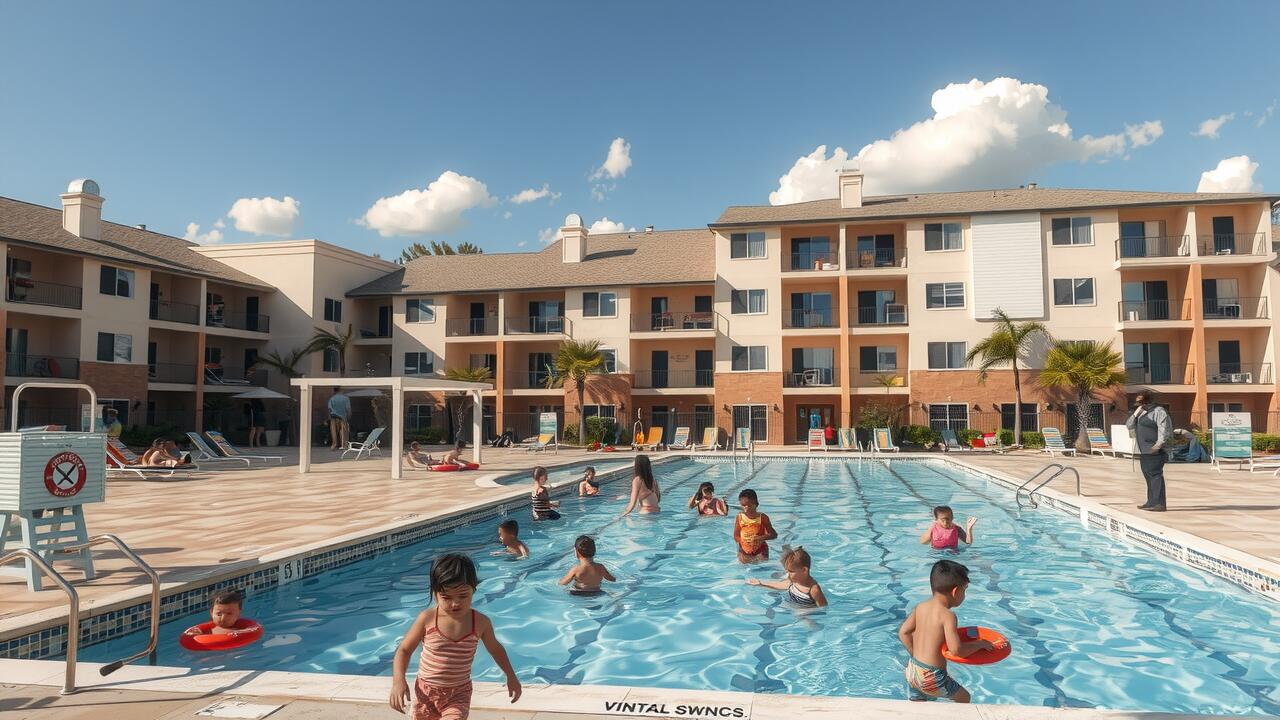
Deficient Fencing and Barricades
Insufficient fencing and inadequate barricades represent critical issues that fall under the category of Common Safety Violations in Apartment Complex Pools That Lead to Drowning Accidents. Such deficiencies create significant safety risks for residents, particularly children, who may access the pool area unsupervised. Unintentional drownings often occur due to these vulnerabilities, putting near-drowning victims and drowning victims at risk. A lack of secure barriers can contribute to an increase in pool-related injuries, making it imperative for property management to prioritize proper fencing.
Proper fencing and barricades are essential components in safeguarding against unintentional drowning incidents. Vulnerable groups, including non-fatal drowning victims and children, are disproportionately affected by these safety violations. An experienced drowning lawyer often highlights the legal implications of neglecting to enforce safety standards. Regularly inspecting and maintaining pool enclosures can significantly reduce the number of pool injuries and promote national drowning prevention efforts within residential communities.
Poorly Maintained Pool Equipment
Neglecting the maintenance of pool equipment is a major factor contributing to Common Safety Violations in Apartment Complex Pools That Lead to Drowning Accidents. Defective pool equipment such as ladders or diving boards can create hazardous situations, increasing the likelihood of fall accidents and unsafe water conditions. These risks put accident victims—especially children—at a greater threat of experiencing fatal child drowning incidents. Swimming pool landlords must prioritize proper safety measures to mitigate these dangers and adhere to established safety rules.
Regular inspections and upkeep of pool equipment are essential to ensure water safety. Pool alarms can serve as an effective line of defense against potential drownings, alerting residents and management to emergency situations. Property managers must recognize that overlooking maintenance responsibilities directly contributes to Common Safety Violations in Apartment Complex Pools That Lead to Drowning Accidents. By implementing rigorous safety measures, apartment complexes can significantly reduce the risk of accidents and protect their residents.
Health and Safety Regulations
Understanding the relevant safety codes and guidelines is crucial in mitigating the risks associated with Common Safety Violations in Apartment Complex Pools That Lead to Drowning Accidents. Property managers must implement necessary safety measures to ensure all safety features are in place, minimizing potential hazards that could result in swimming pool injury. Common issues such as inadequate supervision and unsafe behavior from residents can contribute to both drowning incidents and slip-and-fall accidents. Without adequate safety measures, the likelihood of personal injury accidents increases, making it imperative for all stakeholders to stay vigilant. Addressing these violations not only protects residents but also helps avoid the need for a pool injuries lawyer in the event of an own accident.
- Ensure regular maintenance and inspections of pool facilities.
- Provide clear and visible safety signage around the pool area.
- Establish and enforce pool usage rules for residents and visitors.
- Offer lifeguard services during peak hours of pool usage.
- Conduct safety training sessions for staff and residents.
- Promote awareness about water safety and drowning prevention.
- Implement emergency response plans and maintain safety equipment.
Relevant Safety Codes and Guidelines
Apartment complexes are required to adhere to specific safety codes and guidelines to reduce the risk of drowning accidents. These regulations emphasize the importance of implementing proper safety precautions, which include establishing clear pool area rules and ensuring adequate supervision. Negligence in following these guidelines can result in common safety violations in apartment complex pools that lead to drowning accidents, as well as potential pool lawsuits for property managers. By enforcing safety protocols, the likelihood of nonfatal drownings and avoidable fatalities can be significantly decreased.
Proper safety guidelines also address the maintenance and sanitation of the swimming facility to prevent hazards, such as contaminated pool water. Regular inspections and adherence to health codes are vital, as neglecting these aspects can lead to common injuries among residents. Ensuring that all safety measures are taken can help minimize incidents related to common safety violations in apartment complex pools that lead to drowning accidents, fostering a safer environment for all.
Consequences of Ignoring Pool Safety Regulations
Ignoring pool safety regulations can have dire consequences for both residents and property owners. Common safety violations in apartment complex pools that lead to drowning accidents include improper maintenance of pool areas and unsafe drains. Such negligence creates hazardous conditions that jeopardize the safety of swimmers. Apartment pool owners may face legal repercussions if their failure to provide adequate safety measures contributes to an accident. The presence of unsafe premises poses a significant risk, especially during designated swimming activities when supervision might be lacking.
The aftermath of neglecting pool safety regulations can be devastating. Accident survivors often face long-term physical and emotional trauma, while families grapple with the loss of loved ones. Beyond the personal tragedy, apartment complex’s negligence can impose public health hazards on the community. An unsafe swimming environment not only increases the potential for drowning but also invites various liabilities for property managers and owners. Ensuring compliance with safety codes is essential for fostering a secure swimming area that protects all residents.
The Role of Apartment Complex Management
Apartment complex management holds a crucial responsibility in preventing Common Safety Violations in Apartment Complex Pools That Lead to Drowning Accidents. Ensuring basic safety features are in place helps mitigate risks associated with defective pool equipment and serious slip hazards. Management must be vigilant in identifying and addressing violations, which can include unsafe behaviors by residents and poor pool maintenance practices. Regular inspections of emergency safety equipment and adherence to established safety standards are vital in creating a secure environment. Proper oversight ensures that any potential risks are managed proactively, significantly reducing the likelihood of a devastating accident similar to those often seen in municipal pools.
Responsibilities of Property Managers
Property managers play a crucial role in ensuring the safety of residents who utilize swimming pool amenities. They must address the Common Safety Violations in Apartment Complex Pools That Lead to Drowning Accidents, such as inadequate supervision and the absence of proper signage. Many swimming pools can be dangerous if certain pool drains are not maintained. A fall accident near the pool area can lead to severe injuries, making it imperative for property managers to enforce safety measures diligently.
Regular inspections and maintenance are essential responsibilities of property managers to prevent becoming an accident site. Overlooking critical violations transforms apartment pools into public health hazards. Implementing programs that educate residents about safe swimming techniques significantly reduces risks. Property managers must also ensure that alcohol consumption doesn't lead to scenarios similar to a drunk driving accident, which can impair judgment and safety around the apartment pool.
Importance of Regular Safety Inspections
Regular safety inspections are crucial for identifying Common Safety Violations in Apartment Complex Pools That Lead to Drowning Accidents. Pool owners must remain vigilant about the potential risks associated with unsafe design choices and lack of supervision. Defective pool equipment can create hazardous situations, increasing the likelihood of accident-related injuries. By conducting thorough and frequent inspections, property managers can address any issues before they escalate, ultimately safeguarding residents from becoming injury victims.
The operation of a public pool hinges on adherence to established safety protocols. Public pool owners have a responsibility to ensure that their facilities are regularly examined for compliance with safety standards. Neglecting this duty can lead to preventable injuries and expose them to liability from personal injury accidents. By prioritizing routine safety inspections, management can protect their tenants and mitigate the risks associated with Common Safety Violations in Apartment Complex Pools That Lead to Drowning Accidents.
Prevention Strategies for Pool Accidents
Effective prevention strategies are crucial for reducing the risk of drowning incidents in apartment complex pools. Addressing Common Safety Violations in Apartment Complex Pools That Lead to Drowning Accidents requires a multi-faceted approach. Property managers should collaborate with aquatic experts to identify and rectify unsafe features within the swimming pool area. Solid safety precautions can mitigate the likelihood of both fatal and non-fatal incidents. Improved supervision and regular safety inspections are essential in ensuring that pool areas are free of dangerous conditions. Engaging accident attorneys can provide insight into legal responsibilities, promoting a culture of safety that prioritizes the wellbeing of all residents using the apartment’s swimming pool.
- Conduct regular safety inspections to identify potential hazards around the pool area.
- Install and maintain proper fencing and gates to restrict unauthorized access to the pool.
- Ensure that lifebuoys and rescue equipment are easily accessible and in good condition.
- Provide clear signage that outlines pool rules and emergency procedures.
- Organize regular safety training sessions for staff and residents on pool safety practices.
- Implement a buddy system to encourage swimmers to look out for one another.
- Keep the pool area well-lit to enhance visibility during evening hours.
Implementing Safety Training for Residents
Safety training for residents is crucial in mitigating Common Safety Violations in Apartment Complex Pools That Lead to Drowning Accidents. By educating residents about potential hazards in residential pools, such as hidden dangers associated with pool drains and the importance of maintaining safe water quality, communities can create safer premises. Awareness of the necessary safety equipment, like life rings and first aid kits, empowers residents to act promptly in emergencies, reducing the likelihood of fatal instances and severe injuries.
Engaging residents in safety training fosters a culture of vigilance around pool amenities, emphasizing the shared responsibility for safety. Programs can highlight the importance of supervision, encouraging parents to be proactive while their children swim. Simple measures, such as recognizing the signs of distress or understanding the layout of the pool area, can significantly impact overall safety. Respecting safety regulations and acknowledging the serious swimming pool risk factors can lead to a more secure and enjoyable swimming experience for everyone.
Creating an Effective Emergency Response Plan
An effective emergency response plan is vital for mitigating risks associated with Common Safety Violations in Apartment Complex Pools That Lead to Drowning Accidents. Such plans should encompass protocols for responding to unintentional injuries, including incidents involving slips and falls around the pool area. Pool operators must ensure that proper precautions are taken to maintain clean pools and minimize slip-and-fall risks. This includes regular inspections and maintenance of poolside surfaces. Knowledge of various pool chemicals used to treat water is also essential in ensuring safety while managing potential hazards effectively.
Training staff and residents on emergency procedures is a crucial component of any response plan. Pool operators and private pool owners must familiarize themselves with immediate actions to take in the event of an emergency, whether in apartment complexes or at school swimming pools. Conducting drills and creating clear communication channels can empower residents to act swiftly and appropriately in crises. By addressing Common Safety Violations in Apartment Complex Pools That Lead to Drowning Accidents, property management can foster a safer environment for all users of the facility.
Conclusion
Common Safety Violations in Apartment Complex Pools That Lead to Drowning Accidents are often the result of inadequate supervision and poorly maintained safety equipment. These violations increase the risk of electrocution hazards and can directly impact the safety of residents, particularly young children and inexperienced swimmers, who are some of the common victims in such incidents. Personal injury cases frequently stem from overlooked maintenance issues in the swimming area, highlighting the critical need for stringent safety measures. Addressing these safety violations is essential for protecting residents and ensuring a safe environment around apartment complex pools.
FAQS
What are the most common safety violations in apartment complex pools?
The most common safety violations include inadequate supervision and lifeguard presence, lack of proper signage and warnings, poor pool design and maintenance, deficient fencing and barricades, and poorly maintained pool equipment.
How can inadequate supervision lead to drowning accidents?
Inadequate supervision can lead to drowning accidents because there may be no one available to respond quickly to emergencies, monitor the activities of swimmers, or enforce safety rules, increasing the risk of accidents occurring.
What kind of signage is necessary around apartment complex pools?
Necessary signage includes warning signs about depth, swimming rules, and emergency contact information, as well as reminders about the pool's hours of operation and any specific safety guidelines.
Why is fencing important around apartment complex pools?
Fencing is important as it serves as a barrier to prevent unauthorized access to the pool area, especially for young children, reducing the risk of accidental drownings.
What responsibilities do property managers have regarding pool safety?
Property managers are responsible for ensuring compliance with safety regulations, conducting regular safety inspections, maintaining pool equipment, and implementing safety training for residents and staff.
What are the common causes of apartment pool accidents that can lead to serious injuries or fatalities?
Apartment pool accidents often happen due to negligence, improper maintenance, or a failure to provide adequate safety measures. Many incidents resulting in drowning or drowning accidents result from a lack of supervision, defective pool equipment, and poor oversight in residential swimming pools. It's essential for apartment complexes to prioritize swimmer safety and to contact accident victims for assistance if an experienced drowning accident occurs in the complex swimming pool. These details highlight the importance of effective public pool operation and preventative measures to avoid being labeled for the apartment complex’s negligence as any accident-related killer can lead to devastating outcomes.
What types of incidents occurring in private swimming pools can lead to drowning accidents that require emergency care?
In apartment pools, various incidents can result in drowning accidents, particularly those stemming from the apartment complex's negligence. Common causes include accidents resulting from poolside slips or inadequate supervision in swimming pool accident cases. If proper safety measures are not in place, these incidents can lead to serious injuries or fatalities, and unfortunately, many times individuals drown in these situations. Experienced swimming pool personnel are crucial in preventing such injuries and ensuring resident safety around the water.
How do apartment complex's negligence and common safety violations in pools contribute to incidents that result in drownings?
Negligence in maintaining safety standards in apartment pools can lead to serious incidents resulting in drownings. Factors such as inadequate supervision, lack of safety equipment, and poor maintenance contribute to dangerous conditions. If a resident or guest drowns in a pool due to such negligence, it could be categorized as a case of apartment complex's negligence. These private swimming pools must adhere to safety regulations to prevent tragic accident results, potentially requiring emergency care for those involved.
What are the potential dangers in apartment pools that could lead to individuals getting drowned and requiring emergency care?
Various hazards in apartment pools can lead to incidents resulting in individuals getting drowned. Factors such as inadequate safety measures, the apartment complex’s negligence in maintaining pool areas, and lack of supervision can significantly increase the risk of drowning accidents in pool cases. It is essential for apartment complexes to implement safety protocols to prevent such occurrences.
How does an apartment complex's negligence impact the safety of apartment pools and contribute to incidents resulting in drowning that require emergency care?
An apartment complex's negligence can significantly impact the safety of apartment pools, leading to incidents resulting in drownings. When safety measures are ignored, such as failing to maintain proper barriers or lifeguard presence, the risk of drowning increases. Such negligence often results in accidents that necessitate emergency care for those affected.
How can apartment complex's negligence create dangerous situations in apartment pools that may lead to an incident resulting in drowning and requiring emergency care?
Apartment complex's negligence can create dangerous situations in apartment pools by failing to maintain proper safety measures, such as inadequate supervision, poor maintenance of pool facilities, and lack of warning signs. These factors can significantly increase the risk of an incident resulting in drowning, ultimately requiring emergency care for the victims involved.
How can residents ensure their safety from emergencies while using apartment pools in light of apartment complex's negligence?
Residents should be proactive in ensuring their safety by reporting any signs of apartment complex's negligence, such as poorly maintained facilities or lack of safety measures, to management. It's crucial to advocate for proper safety protocols to be established in apartment pools, as neglect can lead to emergencies that may necessitate emergency care.
How can the upkeep of apartment pools impact incidents requiring emergency care in light of apartment complex's negligence?
The upkeep of apartment pools plays a crucial role in preventing incidents that require emergency care. When an apartment complex's negligence leads to poor maintenance, it can create hazardous conditions in apartment pools, such as lack of proper safety equipment or unmonitored areas, increasing the risk of accidents.
How does an apartment complex's negligence affect emergency care responses to drowning incidents in apartment pools?
An apartment complex's negligence can significantly impact emergency care responses to drowning incidents in apartment pools. When safety standards are not met, there may be delayed reactions in administering emergency care due to a lack of proper training for staff or inadequate safety equipment. This negligence can lead to more severe outcomes during drowning incidents, highlighting the need for rigorous safety protocols in apartment pools to ensure timely responses to emergencies.
What role does an apartment complex's negligence play in the safety of residents using apartment pools, particularly regarding situations that require emergency care?
An apartment complex's negligence significantly affects the safety of residents using apartment pools. Poor maintenance, lack of safety equipment, and inadequate supervision can create hazardous situations that may result in drowning incidents. These situations often necessitate emergency care, highlighting the importance of proper oversight and care in maintaining the safety of apartment pools.